
Minimally Invasive Surgery Clinic Delhi | Dr. Akash Bansal

Why Our Minimally Invasive Surgery Clinic Delhi is the Best Choice for Pinhole Procedures

Discovering that you need medical treatment can instantly bring your life to a standstill. For a very long time, fixing deep vascular issues, painful uterine fibroids, or severe clots meant scheduling a major operation. Patients simply accepted that they would have to deal with massive cuts, weeks of painful bed rest, and permanent scars. Thankfully, modern medicine has moved past those rigid boundaries. Today, you do not have to automatically go under the knife just to get your health back on track.

At Dr. Akash Bansal Vascular & Interventional Clinic, we have built our entire practice on replacing traditional open surgeries with tiny, microscopic alternatives. If you are actively searching for the most reliable minimally invasive surgery clinic delhi has to offer, understanding how these modern procedures protect your body is your first major step toward a stress-free recovery.

Moving Beyond the Scalpel: How Does Pinhole Surgery Work?

When patients first learn that they can get treated without major incisions, they always ask: how does pinhole surgery work? The process is highly efficient and relies entirely on advanced medical technology.

Instead of slicing through healthy skin and muscle layers to reach an internal organ or a blocked vein, an interventional radiologist uses live, high-definition screens—similar to real-time X-rays or ultrasounds—to view the inside of your body while working.

The entire procedure follows a very smooth, low-impact process:

  • The Entry Point: The doctor creates a tiny nick in the skin that is barely two millimeters wide. Because it looks like a simple needle prick, these are known as minimally invasive pinhole procedures.
  • Navigation: A flexible, incredibly thin tube called a catheter is slipped into this tiny entry point.
  • Targeted Action: Using live monitors as a guide, the doctor navigates this tube directly through your body’s natural pathways—like your blood vessels—straight to the problem area.
  • The Fix: Tiny specialized tools pass through the tube to melt a clot, open a blockage, or seal off a damaged vein.

When the treatment finishes, the tiny tube is removed, and the prick is covered with a standard waterproof bandage. No stitches or staples are ever needed. This simple, elegant approach is precisely why patients looking for a top-tier interventional radiology clinic delhi chooses our team to handle their care.

The Benefits of Minimally Invasive Surgery vs Open Surgery

When deciding on a treatment plan, it helps to look closely at the direct benefits of minimally invasive surgery vs open surgery. Traditional open surgery requires a large cut, which naturally damages the surrounding healthy tissue, disrupts muscles, and demands a heavy inflammatory response from your immune system to heal the wound.

Pinhole treatments completely bypass this trauma. Let’s compare the two paths:

Feature Traditional Open Surgery Advanced Pinhole Procedures
Incision Size Large cuts requiring multiple stitches or staples A single tiny nick, no stitches needed
Pain Levels High postoperative pain, requiring heavy medications Minimal discomfort, managed with basic over-the-counter relief
Hospital Stay Several days or even weeks of hospital admission Mostly same-day procedures; walk in and walk out
Scars Permanent, highly visible surgical scars Scarless procedures that fade completely over time

By avoiding major surgical wounds, your body does not have to waste precious energy healing external incisions. Instead, all your internal resources go toward immediate recovery. This approach fundamentally reduces the risk of hospital-acquired infections and eliminates the heavy scarring that can remind you of a stressful medical event for the rest of your life.

High-Intent Specialized Treatments We Perform

Our vascular and interventional clinic focuses on treating complex conditions from the inside out, ensuring your life experiences minimal disruption.

Non-Surgical Blood Clot Removal (DVT)

Deep Vein Thrombosis is a dangerous condition where blood clots form in the deep veins of your legs, cutting off your circulation. While pills can stop a clot from growing, they don’t clear the physical blockage that is causing severe pain and swelling. Our clinic specializes in advanced non-surgical blood clot removal.

By running a tiny catheter directly into the clot, we can deliver medication right into the blockage or use microscopic tools to break up and vacuum the clot out completely. This provides rapid, life-saving DVT pain relief without open surgery, preventing dangerous lung complications and restoring normal leg function.

Laser Treatment for Varicose Veins Delhi

Varicose veins cause heavy, throbbing, and constantly aching legs. Instead of the traditional method of physically stripping the veins out through painful cuts, we provide modern laser treatment for varicose veins delhi patients can rely on. A tiny laser fiber goes inside the damaged vein via a pinhole, sealing it shut from within. Your blood automatically finds healthy paths, eliminating the bulging and pain almost instantly.

Uterine Fibroid Embolization Delhi

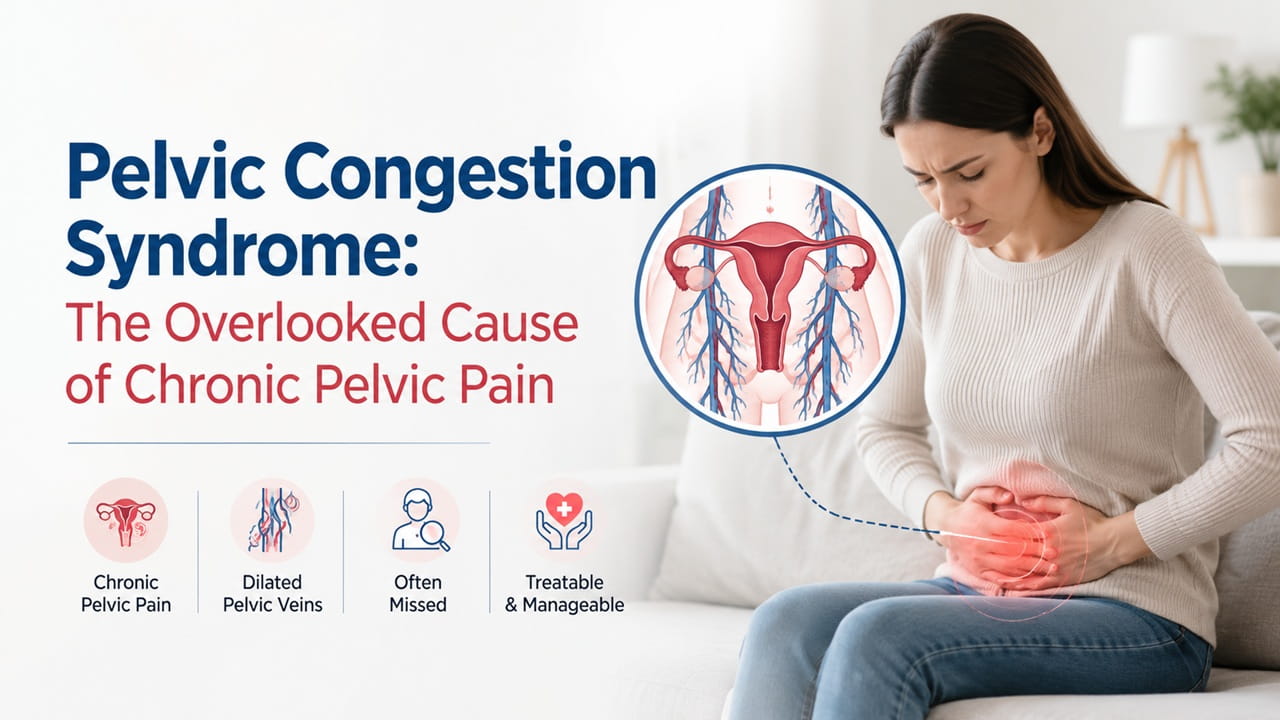
Uterine fibroids can cause intense pelvic pain, heavy bleeding, and severe fatigue. Many women are told that a hysterectomy (removing the uterus) is their only option. We offer an advanced alternative called uterine fibroid embolization delhi women trust to protect their bodies. Through a tiny pinhole in the wrist or groin, we block the specific blood vessels feeding the fibroids. Deprived of blood flow, the fibroids naturally shrink and disappear, leaving your uterus completely untouched.

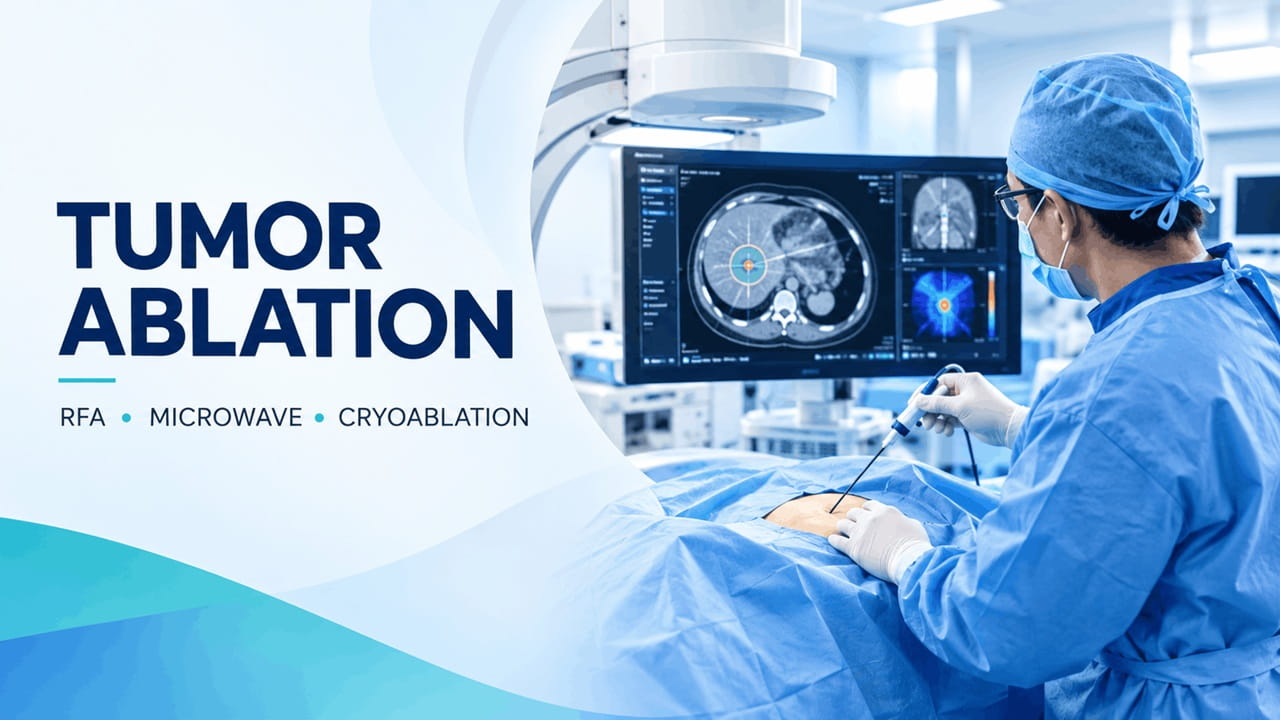
Advanced Care at Our Tumor Ablation Clinic Delhi

When dealing with localized tumors, open surgery can sometimes be too physically demanding for a patient. At our specialized tumor ablation clinic delhi, we use targeted thermal energy to neutralize abnormal cells. A thin, needle-like probe is guided straight into the tumor using live imaging. The tip of the probe applies controlled heat or extreme cold to destroy the tumor cells while preserving the surrounding healthy organ tissue entirely.

World-Class Vascular Care Across Delhi NCR

Vascular emergencies and chronic vein pain require quick, decisive action. You shouldn’t have to deal with long, exhausting travel or heavy traffic when you are in pain. Top-tier medical care should be easily accessible right in your neighborhood.

If you live in the heart of the capital, finding the best treatment hospital in central delhi for non surgical options is entirely straightforward. Our facility is designed to offer quick testing and same-day discharge, giving central Delhi residents a reliable place to turn to during a medical crisis.

We have also expanded our presence to make things simple for patients living outside the main city borders. If you are based in Haryana, locating the best DVT specialist in gurgaon or a dedicated interventional radiologist in gurgaon takes just a few clicks. You can easily schedule your treatments close to home without the stress of a long city commute.

Similarly, if you are living in Uttar Pradesh, you can get in touch with an expert blood clot doctor in noida or secure an appointment with an experienced interventional radiologist in noida without delay. Fast access to your doctor is crucial for great medical outcomes, and our cross-regional network ensures expert help is always nearby.

Why Dr. Akash Bansal is the Right Choice for You

When it comes to your health, you naturally want to look for the absolute best care available. You might find yourself searching online for an interventional radiologist near me or trying to figure out who is the best interventional radiologist in delhi. The right choice comes down to finding a doctor who combines high-level technical skill with deep empathy.

As a highly trained interventional radiologist in delhi and a trusted vascular specialist in delhi, Dr. Akash Bansal has spent his entire career mastering these image-guided, pinhole methods. His specialized background as an interventional oncologist allows him to handle highly complex vascular mapping and tumor treatments every single day.

Patients consistently choose our clinic because we don’t treat you like a number on a medical chart. We understand that medical terms can be confusing and scary. Dr. Bansal takes the time to sit down with you, look at your scans together, explain the root cause of your pain in plain English, and outline your non-surgical options clearly.

Our clinic is recognized as the premier pinhole surgery specialist delhi counts on because our philosophy revolves around gentle, pain-free healing. We design your treatment plan to keep your discomfort as low as possible while getting you back to your regular, happy family life quickly.

What Is the Recovery Time for Pinhole Procedures?

One of the most reassuring parts of choosing pinhole care is the remarkably fast recovery time for pinhole procedures. Because your muscles and skin don’t have to heal from deep surgical trauma, your body bounces back almost immediately.

  • Immediately After the Procedure: You will spend just a couple of hours resting in our comfortable recovery lounge while our team checks on your vitals.
  • Heading Home: In nearly all cases, you go home on the exact same day. There is no need to pack a massive bag or plan for an overnight stay in a hospital room.
  • Back to Your Routine: While we advise avoiding heavy lifting for the first 48 hours, most patients return to light work, gentle walking, and normal household activities within a day or two.

This rapid turnaround means less missed time at work, less stress on family members who might need to care for you, and a direct path back to a healthy life.

Take Control of Your Health Today

A serious medical diagnosis does not mean you have to face the physical strain and fear of an old-school open operation. Your body is incredibly resilient, and with the help of modern image-guided science, we can fix complex internal blockages with incredible gentleness.

Whether you need the best vascular specialist in delhi ncr to treat nagging leg pain, or you need immediate clarity on an ongoing vascular issue, our team is ready to assist you at every stage.

Don’t let the fear of a large operation stop you from feeling better. Contact Dr. Akash Bansal Vascular & Interventional Clinic today to book your consultation. Let an expert interventional radiologist clear your health concerns using safe, simple, and advanced pinhole treatments so you can get back to living your life comfortably.


BlogbyAdminNo Comments

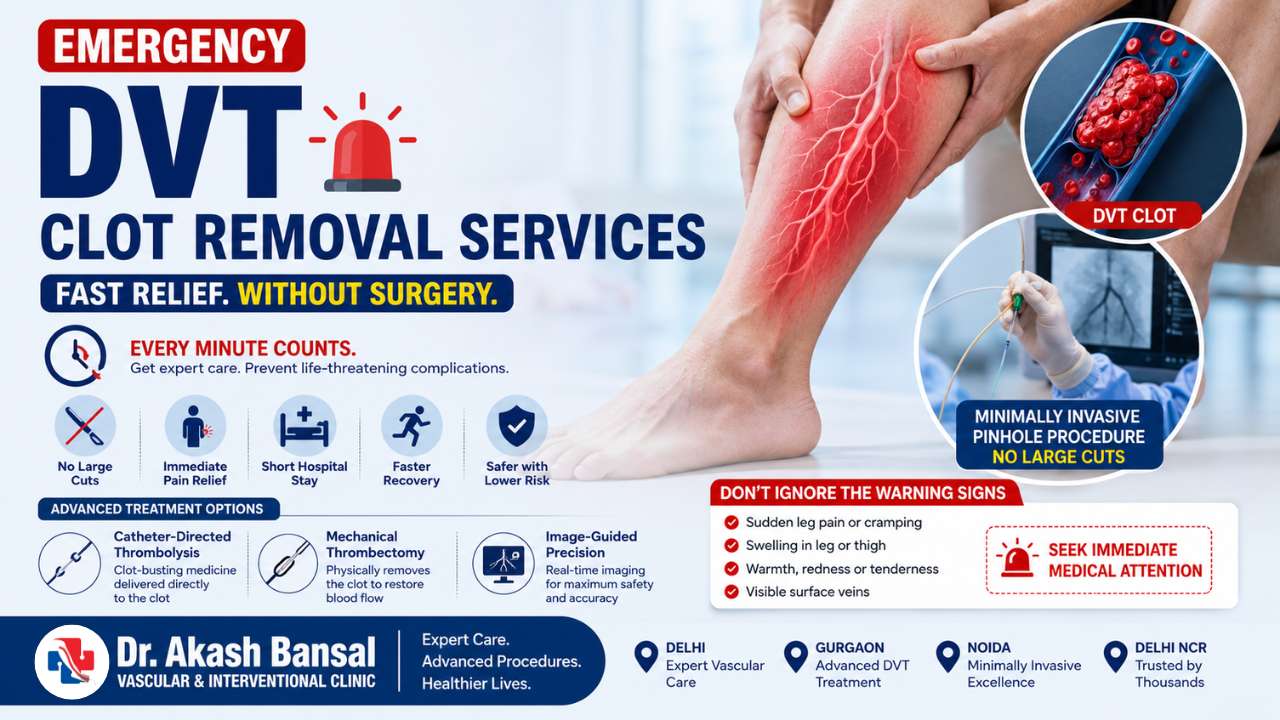
Emergency DVT Treatment Delhi | Fast Leg Clot Removal

Emergency DVT Clot Removal Services by Dr. Akash Bansal

Experiencing sudden, intense pain and swelling in your leg can be incredibly frightening. When a blood clot forms deep inside your veins, you need fast, effective help. Finding the right Emergency DVT treatment Delhi offers can make all the difference in preventing serious complications. If you or a loved one are searching for an Urgent blood clot removal in leg, you have come to the right place.

At the Dr. Akash Bansal Vascular & Interventional Clinic, we handle vascular crises regularly. We know that every single minute counts when your blood flow is blocked. Our entire focus is giving you fast relief without putting you through the terrible recovery time of old-school open surgery. Let’s break down the real facts about blood clots, what your modern treatment choices look like, and why finding the Best doctor for DVT in Delhi makes all the difference for your peace of mind.

Is DVT a medical emergency?

Deep Vein Thrombosis, mostly known as DVT, means a solid clump of blood is blocking a deep vein. This usually happens in the lower leg or thigh. Patients and their families ask us all the time: “Is DVT a medical emergency?” The short and honest answer is yes. It absolutely is.

The danger is not just about your leg hurting. The real threat happens if a piece of that clot breaks loose. If it detaches, it can travel straight up through your bloodstream and block the oxygen in your lungs. Doctors call this a pulmonary embolism, and it is a life-threatening event that happens entirely without warning.

Because things can go wrong so quickly, securing Deep vein thrombosis emergency care is a top priority. Never brush off the warning signs. If your leg feels unusually warm to the touch, looks red, cramps badly, or swells up out of nowhere, you need to get it checked right away. Getting fast Swollen leg blood clot treatment stops the intense pain and keeps you safe from further harm. When your health drops suddenly and you need Acute DVT treatment near you, you must rely on a medical team that moves with speed and accuracy.

What is the emergency treatment for DVT?

When people hear the word “emergency,” they often picture large operating rooms and massive surgeries. So, What is the emergency treatment for DVT? Today, medical science has evolved significantly. While blood thinners are often the first step to stop a clot from growing, they don’t actually dissolve the existing clot right away.

For severe or painful cases, doctors turn to active clot removal. The good news is that you have modern DVT in leg treatment options that do not require going under the knife. Through Non-surgical DVT clot removal, specialists can actively clear the blockage from the inside of the vein. This provides immediate DVT pain relief without open surgery, allowing you to get back on your feet much faster.

How to remove a blood clot in the leg without surgery?

It sounds almost like magic, but many patients ask, “How to remove a blood clot in the leg without surgery?” The answer lies in the hands of a skilled interventional radiologist. Rather than making a long, painful cut down your leg to scrape out the clot, doctors now use a technique known as Pinhole surgery for blood clot in leg.

During this procedure, the doctor makes a tiny nick in the skin—so small it doesn’t even need a stitch. Using live X-ray machines to see inside your body, they guide a very thin tube (a catheter) directly to the site of the clot. This is what we call Image-guided DVT treatment. Because no large cuts are made, these are considered true scarless procedures. Patients searching for Minimally invasive blood clot removal in Delhi love this approach because the recovery time is drastically shorter, and it causes far less trauma to the body than traditional methods.

What is catheter-directed thrombolysis for DVT?

If you are researching your options, you might come across some complex medical terms. So, What is catheter-directed thrombolysis for DVT? Let’s break it down into simple, everyday English.

Imagine a clogged pipe in your house. Instead of ripping out the entire wall to fix it, a plumber snakes a small tube down the drain to deliver a strong cleaner right onto the blockage. Catheter-directed thrombolysis Delhi clinics offer works exactly like this. The doctor guides a tiny tube directly into the blood clot and releases special “clot-busting” medicine right where it is needed most.

Sometimes, medicine isn’t enough, and the doctor needs to physically break up and vacuum out the clot. A Mechanical thrombectomy specialist can use a specialized, tiny medical device attached to the catheter to pull the clot out of the vein entirely. Both of these are highly effective minimally invasive pinhole procedures that can save your leg and your life.

Finding the Right Care: Local Options in Delhi NCR

When an emergency strikes, you don’t want to travel far, but you also want the absolute best care. Finding a highly qualified Vascular specialist for DVT in NCR is vital. Because DVT requires specialized equipment and training, you want an expert who performs these procedures daily.

If you live in the heart of the city, you might look for a DVT treatment hospital in Central Delhi or an Interventional radiologist for blood clot Delhi. But what if you live slightly outside the capital? The good news is that top-tier care is accessible across the region. Whether you are looking for the Best DVT specialist in Gurgaon or a reliable Blood clot doctor in Noida, you can access world-class care without traveling out of state. In fact, finding a dedicated interventional radiologist in noida or an expert interventional radiologist in gurgaon is easier than ever, thanks to specialized clinics focusing on vascular health.

Who is the best doctor for DVT treatment in Delhi NCR?

When dealing with a painful and potentially dangerous blood clot, you naturally want to know, “Who is the best doctor for DVT treatment in Delhi NCR?” You need someone with a steady hand, years of experience, and a compassionate approach to patient care.

This is where Dr. Akash Bansal steps in. As a leading DVT clot removal specialist Delhi NCR residents trust, he has helped countless patients regain their mobility and health. As a highly trained vascular specialist in delhi and a respected interventional oncologist, his expertise covers a wide range of complex, image-guided treatments.

Patients specifically seek out a Dr. Akash Bansal DVT specialist consultation because of his commitment to pain-free, rapid healing. When you need Emergency DVT removal Dr. Akash Bansal provides swift, accurate, and gentle care, ensuring your body is treated with the utmost respect.

Get Fast, Expert Help Today

A blood clot is not something you can wait out or ignore. If you are experiencing the painful symptoms of DVT, taking fast action is your best defense. The good news is that you do not have to endure the fear of major open surgery to get better.

Finding the right doctor quickly is incredibly important. You can confidently reach out to the Dr. Akash Bansal Vascular & Interventional Clinic for immediate, specialized care. As a highly advanced minimally invasive surgery clinic delhi patients rely on, we are fully equipped to handle your vascular emergencies with precision and expertise.

Don’t let a blood clot dictate your daily life. Contact our specialized vascular and interventional clinic today. Experience the high-quality Leg blood clot treatment Delhi NCR patients deserve, and let our dedicated medical team help you step back into a healthy, pain-free routine. Your legs carry you through the world; let an expert interventional radiologist in delhi help you take proper care of them.

Disclaimer: The information provided in this post is for educational and informational purposes only and is not intended to substitute professional medical advice, diagnosis, or treatment. Always consult with a qualified healthcare provider regarding any medical condition or before making any medical decisions. If you are experiencing a medical emergency, seek immediate medical attention.

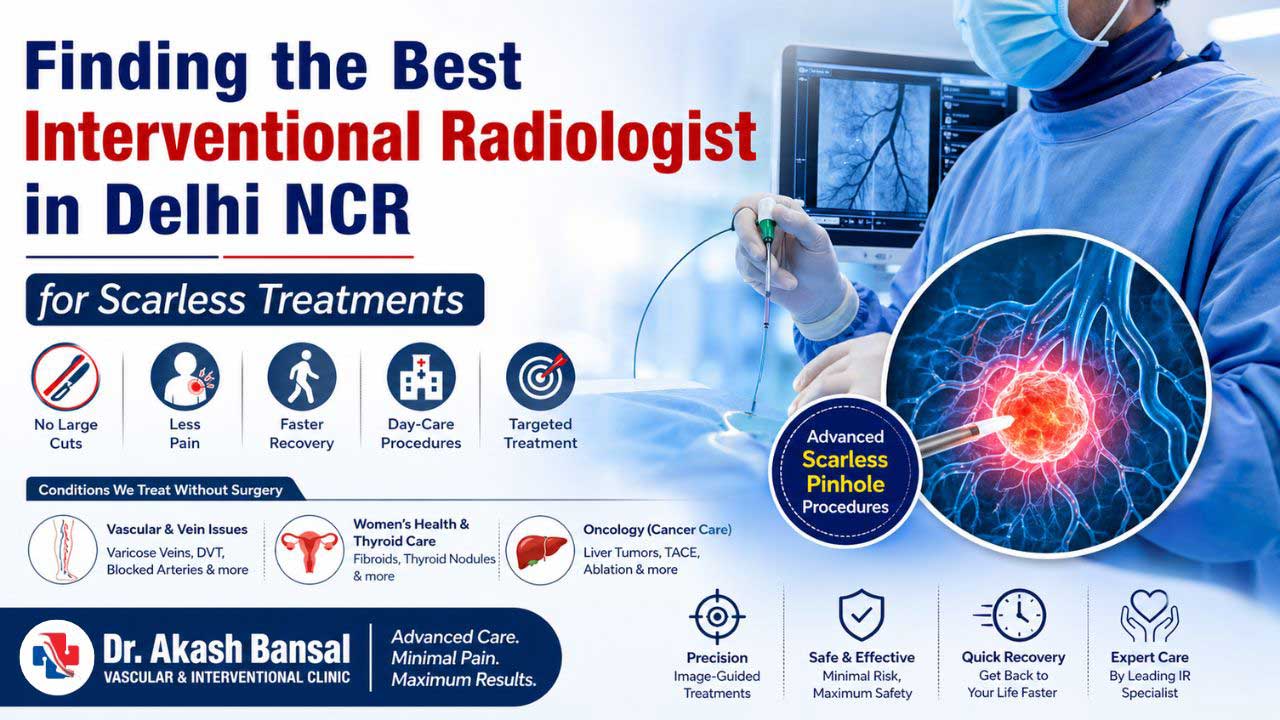
Finding the Best Interventional Radiologist in Delhi NCR for Scarless Treatments

Finding the Best Interventional Radiologist in Delhi NCR for Scarless Treatments

Hearing that you or a loved one needs a medical procedure is always a stressful and scary moment. For many decades, the word “treatment” was almost always followed by the fear of open surgery, large painful cuts, long hospital stays, and weeks of uncomfortable recovery. But what if there was another, much gentler way to heal? Today, medical science has advanced far beyond traditional methods. If you are actively looking for safer, less painful alternatives to open surgery, you are exactly in the right place.

More and more patients are taking charge of their health and searching for the Best interventional radiologist in Delhi NCR to avoid the heavy physical and emotional toll of traditional operations. At Dr. Akash Bansal Vascular & Interventional Clinic, we strongly believe that modern healthcare should be about healing the body, not hurting it unnecessarily. Let’s explore how you can find the right specialist for your specific needs and why modern scarless treatments are completely changing the face of medicine today.

What does an interventional radiologist do?

When people first hear this medical term, they often wonder, “What does an interventional radiologist do?” To put it simply in everyday language, an interventional radiologist is a highly specialized doctor who uses advanced imaging technology—such as live X-rays, ultrasounds, and CT scans—to see inside your body in real-time. Instead of making large cuts with a scalpel to see what is wrong, they use these screens to guide tiny tools, like fine needles and very thin tubes called catheters, directly to the exact site of the disease.

These are known in the medical world as image-guided treatments. Because the doctor can see exactly where they are going on a digital screen, they can treat complex internal problems from the inside out. Whenever a patient types “interventional radiologist near me” into a search engine, they are actually looking for a medical expert who can solve their major health issues with the utmost precision and the least amount of pain possible.

Difference between a surgeon and an interventional radiologist

It is very common for patients to confuse these two medical professionals, but the Difference between a surgeon and an interventional radiologist is quite significant when it comes to your recovery. A traditional surgeon creates an incision (a deep cut) to physically open the body, look inside with their own eyes, and remove or repair the problem. This approach, while sometimes absolutely necessary for certain traumas, tumors and certain other diseases, naturally damages healthy tissue, muscle, and skin along the way.

On the other hand, a Top interventional radiologist in Delhi operates through a tiny nick in the skin—often no larger than a grain of rice or the tip of a pencil. Whether you are dealing with blocked blood vessels or dangerous cancerous tumors, they will navigate through your body’s natural pathways (like your arteries) to fix the issue. This means minimal trauma to your body and a much faster return to your normal life.

Can surgery be done without a scar?

Yes, absolutely. The question “Can surgery be done without a scar?” is one we hear almost every single day from hopeful patients. Thanks to modern medical technology, Scarless treatments in Delhi are now a wonderful reality for many conditions.

Because these procedures are done through a tiny puncture rather than a wide cut, there are no painful stitches required to close the wound. The entry point usually heals with just a small normal bandage, leaving virtually no visible mark behind. This is exactly why these amazing techniques are popularly called scarless procedures. When you choose to visit a Pinhole surgery specialist Delhi trusts, you are choosing a treatment path that prioritizes both your internal healing and your external physical appearance.

What are the benefits of scarless pinhole procedures?

There is a very good reason why minimally invasive pinhole procedures have quickly become the gold standard for treating many diseases. The advantages they offer over traditional surgery are truly life-changing for patients:

  • No Large Cuts: As the name suggests, there are no scalpels or large skin incisions involved.
  • Less Pain: Because your healthy tissue is not cut or stretched, the pain during and after the procedure is drastically reduced.
  • Faster Recovery: Most of these treatments fall under the Day-care surgery This means you can walk into the clinic in the morning, have your procedure, and walk out the very same day to sleep comfortably in your own bed.
  • Lower Infection Risk: A smaller wound naturally means a much lower chance of catching hospital-acquired infections.
  • Targeted Care: These Non-surgical treatments attack only the disease, leaving your surrounding healthy organs completely safe and untouched.

Common Conditions Treated Without Surgery

You might be surprised to learn just how many serious conditions can now be treated without going under the knife. When searching for the Best vascular specialist in Delhi NCR or an expert in targeted cancer care, here is a look at what they can treat:

Vascular and Vein Issues

If you suffer from heavy, painful, and swollen veins in your legs, you no longer need to have them physically “stripped” or pulled out of your leg. Safe Non-surgical varicose vein treatment Delhi allows doctors to gently close the bad veins from the inside using laser energy or heat. Similarly, if you have been diagnosed with a dangerous blood clot in your leg, DVT treatment without surgery can dissolve or remove the clot safely using tiny catheters, quickly restoring healthy blood flow. A highly skilled vascular specialist in delhi can handle these blood vessel problems with ease.

Women’s Health and Thyroid Care

Women suffering from heavy bleeding and painful fibroids can now opt for Uterine fibroid embolization (UFE) in Delhi NCR. Instead of removing the entire uterus (a hysterectomy), the doctor simply blocks the blood flow feeding the fibroids, causing them to shrink and die off naturally. Additionally, if you have benign thyroid nodules causing trouble swallowing, finding a dedicated Thyroid ablation specialist in NCR means you can have the nodule treated effectively with heat, completely avoiding risky neck surgery and preserving your natural thyroid function.

Oncology (Cancer Care)

Cancer care has also seen a massive, positive shift. An interventional oncologist is a doctor who uses these same pinhole techniques to fight cancer directly. For example, if you are looking for Liver tumor ablation in Delhi, the doctor can use a specialized needle to freeze or heat the liver tumor until it is completely destroyed. Another highly sought-after and life-saving treatment is the TACE procedure in Delhi, which safely cuts off the blood supply to a liver tumor and delivers strong chemotherapy medicine directly into it, sparing the rest of the patient’s body from harsh side effects.

How to choose the best interventional radiologist in Delhi?

Knowing that these wonderful treatments exist is just the first step. The next is knowing “How to choose the best interventional radiologist in Delhi?” Here are a few important things to keep in mind:

  1. Check their Expertise: Look for a doctor who specializes exclusively in these modern techniques. For instance, an interventional radiologist in delhi should have years of focused experience.
  2. Evaluate the Facility: You want a clinic that is equipped with the latest imaging technology. A dedicated minimally invasive surgery clinic delhi provides a much more personalized, clean, and calm experience than a crowded general hospital ward.
  3. Location Matters (But Quality Matters More): Whether you need a Vascular specialist in South Delhi, are looking for an interventional radiologist in noida, or are searching for an interventional radiologist in gurgaon, it is always worth traveling a little further for the right doctor. Many patients travel across the capital to visit the Best IR doctor in Central Delhi or a top-tier Interventional radiology hospital Delhi NCR just to ensure they are in the safest, most capable hands. You should seek out a specialized vascular and interventional clinic that puts patient comfort first.

Who is the best doctor for minimally invasive surgery in Delhi NCR?

When it comes to your health, you should never have to compromise or settle for outdated treatments. Finding a doctor who listens to your fears, explains your options clearly, and has the technical skill to perform complex procedures is vital.

Dr. Akash Bansal is widely recognized by his patients and medical peers as a true expert in this field. As the lead specialist, the Dr. Akash Bansal interventional radiologist team is dedicated to bringing world-class, non-surgical solutions to patients. Those who have experienced his compassionate care frequently refer to him as the Best IR doctor Akash Bansal because of his gentle approach and unwavering commitment to pain-free healing.

If you have been told that a major surgery is your only option, we strongly encourage you to seek a second opinion. Explore the advanced care available at an Interventional radiology clinic Delhi. Reach out to Dr. Akash Bansal Vascular & Interventional Clinic today to see if a scarless procedure is the right choice for you. You deserve a treatment plan that lets you heal quickly, safely, and gets you back to living your life to the fullest.

Conclusion: Take the Next Step Toward Pain-Free Healing

Taking the first step toward healing should not be filled with anxiety about massive surgeries or long hospital stays. By choosing a minimally invasive approach, you are choosing a smoother, safer, and much faster path to recovery. Your health, comfort, and peace of mind should always come first.

If you are exploring your options for treating vascular issues, tumors, fibroids, or other complex conditions, remember that you do not have to settle for traditional open surgery without asking questions. Empower yourself with the right knowledge and expert care.

Reach out to the compassionate team at Dr. Akash Bansal Vascular & Interventional Clinic today to schedule a detailed consultation. Let us help you review your medical reports, answer all your questions, and design a personalized, scarless treatment plan that gets you back to your normal life as quickly as possible.

Disclaimer: The content provided in this blog is for educational and informational purposes only. It is not intended to be a substitute for professional medical advice, diagnosis, or treatment. Always seek the advice of a qualified healthcare provider or a specialist like Dr. Akash Bansal with any questions you may have regarding a medical condition, symptoms, or treatment options. Never disregard professional medical advice or delay in seeking it because of something you have read on this website. Every patient’s medical situation is unique, and outcomes may vary.

Top 10 Questions to Ask Your Liver Cancer Specialist Before Treatment

10 Questions to Ask Your Liver Cancer Specialist

Hearing a cancer diagnosis is one of the most overwhelming moments in a person’s life. The shock and fear can make it difficult to think clearly, especially when doctors start using complex medical terms. However, gathering the right information is the first step toward taking control of your health. That is why preparing for oncology appointment is so incredibly important.

Having a solid liver cancer consultation checklist ensures you do not forget important details when sitting in the doctor’s office. You need to know exactly what to ask oncologist about liver cancer to understand all your options. To help you navigate this difficult time, we have put together the essential questions to ask liver cancer specialist.

At Dr. Akash Bansal Vascular & Interventional Clinic, we believe that an informed patient is an empowered patient. Whether you are looking for traditional methods or modern, pinhole treatments, asking these vital questions for liver cancer doctor will help you make the best decision for your body and your future.

  1. Is my liver cancer primary or secondary (metastasis)?

This is the very first question you must ask. Primary liver cancer means the tumor started in the cells of your liver. The most common type is Hepatocellular Carcinoma. If this is your diagnosis, you will need to discuss specific Hepatocellular carcinoma (HCC) treatment options.

On the other hand, secondary cancer means the tumor started somewhere else in your body (like the colon or lungs) and spread to the liver through the bloodstream. Knowing this difference is crucial because liver metastasis treatment can be very different from treating a primary tumor.

  1. Can liver cancer be treated without open surgery?

Many patients assume that a massive open surgery is their only hope. This is no longer true. You should absolutely ask your doctor about non-surgical liver cancer treatment. Today, the field of minimally invasive cancer care has advanced rapidly. There are highly effective alternatives to liver surgery that do not require large cuts, general anesthesia, or weeks of painful recovery in a hospital bed.

  1. Am I a candidate for liver tumor ablation?

If your tumors are relatively small (usually under three to five centimeters) and few in number, you must ask this question. Liver tumor ablation (microwave/cryoablation) is a remarkable technique. Instead of cutting the tumor out, an interventional oncologist uses a tiny needle to either heat the tumor until it is destroyed (microwave) or freeze it to death (cryoablation). This is often referred to as pinhole surgery for liver tumor because it is done through a hole the size of a freckle.

  1. How can we target the tumor’s blood supply?

Cancer tumors are hungry; they need a lot of blood to grow. A brilliant way to kill the tumor is to cut off its food source. Ask your doctor how to target liver tumor blood supply. This is exactly what the TACE procedure for liver cancer (Transarterial Chemoembolization) does. A doctor guides a tiny tube directly to the tumor and blocks the blood vessel while delivering a high dose of chemotherapy right inside the tumor. Another similar option is TARE radioembolization, which uses tiny radioactive beads instead of chemotherapy.

  1. What are the side effects of TACE and TARE?

When people hear “chemotherapy” or “radiation,” they immediately worry about hair loss, severe nausea, and extreme weakness. Because TACE and TARE deliver the medicine directly into the tumor rather than flooding your entire body, the side effects are usually much milder. Ask your doctor to explain the specific side effects you might experience, so you are fully prepared for what happens after a TACE procedure in Delhi or elsewhere.

  1. How quickly can I recover from interventional oncology treatments?

Because treatments like ablation and chemoembolization are scarless procedures, the recovery time is a fraction of what it is for open surgery. These are minimally invasive pinhole procedures, meaning most patients go home the very next day, or sometimes even the same day. Understanding your recovery timeline helps you and your family plan your daily life better.

  1. What is my liver cancer staging and survival rate?

This is a tough question, but a necessary one. You need to know the exact stage of your cancer (whether it is early, intermediate, or advanced). Your stage determines which treatments will work best. Asking about your liver cancer staging and survival rate gives you a realistic picture of your health journey and helps you set practical, focused goals with your medical team.

  1. How does an interventional radiologist treat my condition?

While surgical oncologists perform open surgeries, an interventional radiologist uses advanced imaging (like live X-rays and ultrasounds) to see inside your body and treat the cancer from the inside out using tiny catheters. If you want the most modern, minimally invasive care, you need an expert. Dr. Akash Bansal is a highly trusted interventional radiologist, known for performing these complex, life-saving procedures with incredible precision.

  1. Why should I get a second opinion for liver cancer?

Never feel guilty about asking for a second opinion. A second opinion for liver cancer is your right as a patient. Often, a traditional surgeon might only offer surgery. By booking an interventional oncology consultation, you might discover less invasive options that were never mentioned to you before. Getting multiple perspectives ensures you are truly choosing the best path.

  1. Where can I find the best care locally?

If you are living in the capital region, finding the right liver cancer specialist in Delhi is crucial for your peace of mind. You want a facility that is fully equipped for complex care. Patients frequently search for an “interventional radiologist near me” to find top-tier liver tumor treatment in Delhi.

Whether you need a vascular specialist in delhi, are looking for an interventional radiologist in noida, or want to consult an interventional radiologist in gurgaon, world-class care is nearby. Our center is recognized as a leading minimally invasive surgery clinic delhi residents trust. As the best interventional oncologist Delhi NCR has to offer, Dr. Bansal provides compassionate, cutting-edge care.

A cancer diagnosis is intimidating, but asking the right questions brings clarity and hope. If you have been told that major surgery or full-body chemotherapy are your only options, it is time to explore the advanced alternatives. You deserve to know every option available to you.

Reach out to our vascular and interventional clinic today. Contact Dr. Akash Bansal Vascular & Interventional Clinic to schedule a comprehensive review of your reports and take the first step toward a targeted, less painful recovery. 📞 +91-9560658828 | 🌐 www.drakashintervention.com

Disclaimer: The content provided in this blog is for educational and informational purposes only. It is not intended to be a substitute for professional medical advice, diagnosis, or treatment. Always seek the advice of a qualified healthcare provider or an interventional radiologist like Dr. Akash Bansal with any questions you may have regarding a medical condition, symptoms, or treatment options. Never disregard professional medical advice or delay in seeking it because of something you have read on this website.


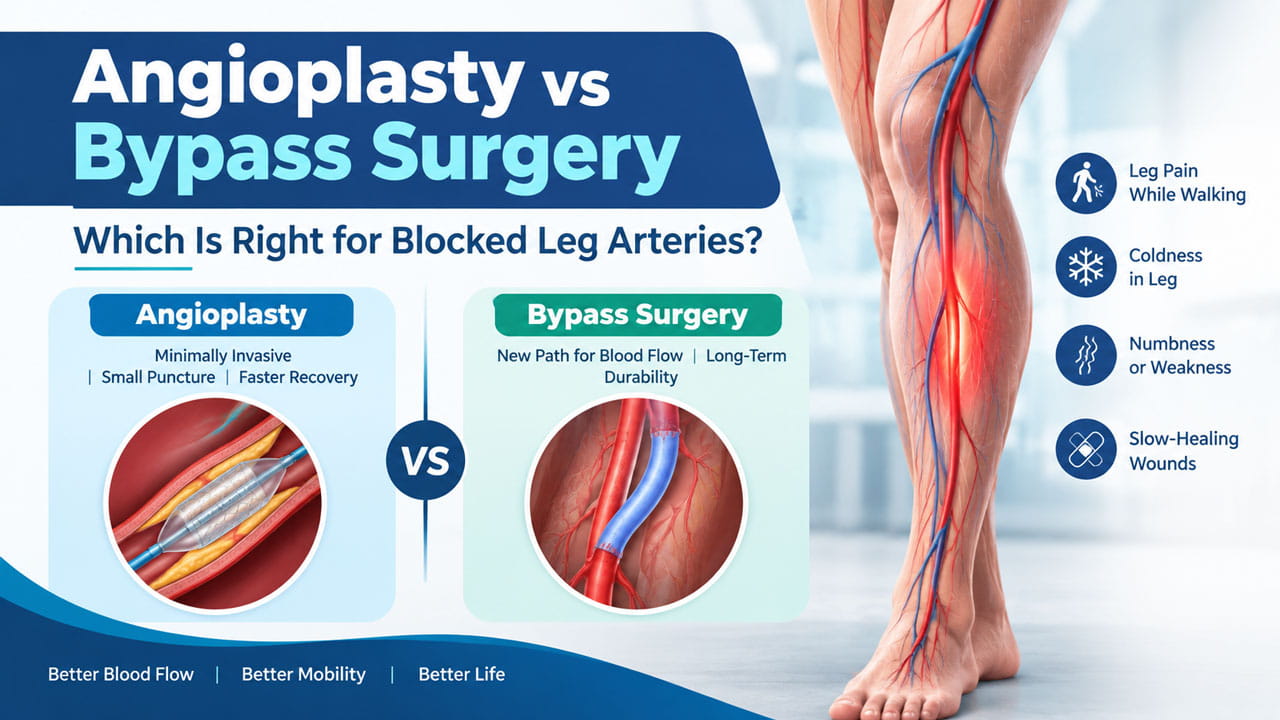
Leg Pain While Walking? Why It Could Be PAD (Treatment)

Leg Pain While Walking? Why You Shouldn’t Ignore Peripheral Arterial Disease (PAD)

Do you feel sharp leg pain while walking? Many people think it is just a normal part of getting older. They believe their muscles are just tired. But if your legs hurt every time you walk and feel better only when you stop, it could be a serious warning sign. You might be dealing with Peripheral Arterial Disease (PAD).

Ignoring this pain can be dangerous. It is very important to know your PAD treatment options early on. Catching it in time can save your legs and your health. Today, we will discuss peripheral artery disease symptoms and the most effective claudication treatment available.

As a dedicated vascular and interventional clinic, we help patients overcome this exact pain every single day. At Dr. Akash Bansal Vascular & Interventional Clinic, we want to help you understand your body so you can make the right choices for your health. Let us break down what this disease is and how we can fix it.

Recognizing the Early Warning Signs

Let us talk about how this condition actually feels. At first, you might notice calf pain when walking. It usually starts when you are climbing stairs or walking quickly. Some people get severe leg cramps after walking short distances. You might even feel like you have very heavy legs while walking, making it hard to take the next step.

A very clear sign of this disease is leg pain that stops when resting. Doctors call this specific symptom intermittent claudication. It happens because your leg muscles are literally crying out for oxygen.

You might also notice other poor blood circulation in legs symptoms. For example, you might suffer from cold feet and leg pain, especially at night when you are lying in bed. Some patients notice that the hair on their toes stops growing, or their toenails become thick and brittle. If you have diabetes, diabetic foot care becomes absolutely critical here. Poor blood flow makes it very hard for simple cuts or blisters on your feet to heal properly.

Why is This Happening to My Legs?

Why is the blood not reaching your leg muscles? The root cause is almost always blocked arteries in legs.

As we age, sticky substances like fat, cholesterol, and calcium can build up inside our blood vessels. This is called plaque buildup in arteries. Medically, this condition is known as atherosclerosis in legs. Think of it like rust clogging an old water pipe. The water simply cannot flow through.

When this happens in your lower body, it leads to vascular disease in legs. To find out if this is happening to you, doctors use a very simple and painless test. It is called the Ankle-brachial index (ABI) test. This test compares the blood pressure in your ankle to the blood pressure in your arm. If the pressure in your ankle is much lower, it tells us that there is a blockage somewhere in your leg.

Why do my legs hurt when I walk but stop when I rest?

This is the most common question patients ask us. When you walk or exercise, your leg muscles work very hard. Because they are working hard, they demand a lot of oxygen and fresh blood.

But if you have narrowed or blocked arteries, the blood simply cannot flow fast enough to meet the demand. The muscles cramp up and cause a sharp, burning pain. When you sit down and rest, your muscles relax. They do not need as much oxygen anymore. Because the demand drops, the small amount of blood getting through is enough, and the pain goes away. This is the classic cycle of claudication.

What happens if peripheral artery disease is left untreated?

It is completely normal to feel worried about visiting a doctor. However, ignoring this pain is very dangerous. If you do not seek help, the plaque buildup will get worse. The artery will become narrower and narrower.

Eventually, the blood flow might stop completely. When tissues do not get blood, they begin to die. This can cause open sores that will not heal. It can also cause the skin on your toes or feet to turn black. This is called gangrene.

For many patients, especially those with unmanaged diabetes, untreated PAD can lead to losing a toe, a foot, or even a leg. This is why amputation prevention is our primary goal. Getting proper leg artery blockage treatment early on saves limbs and saves lives.

Can PAD be cured without surgery?

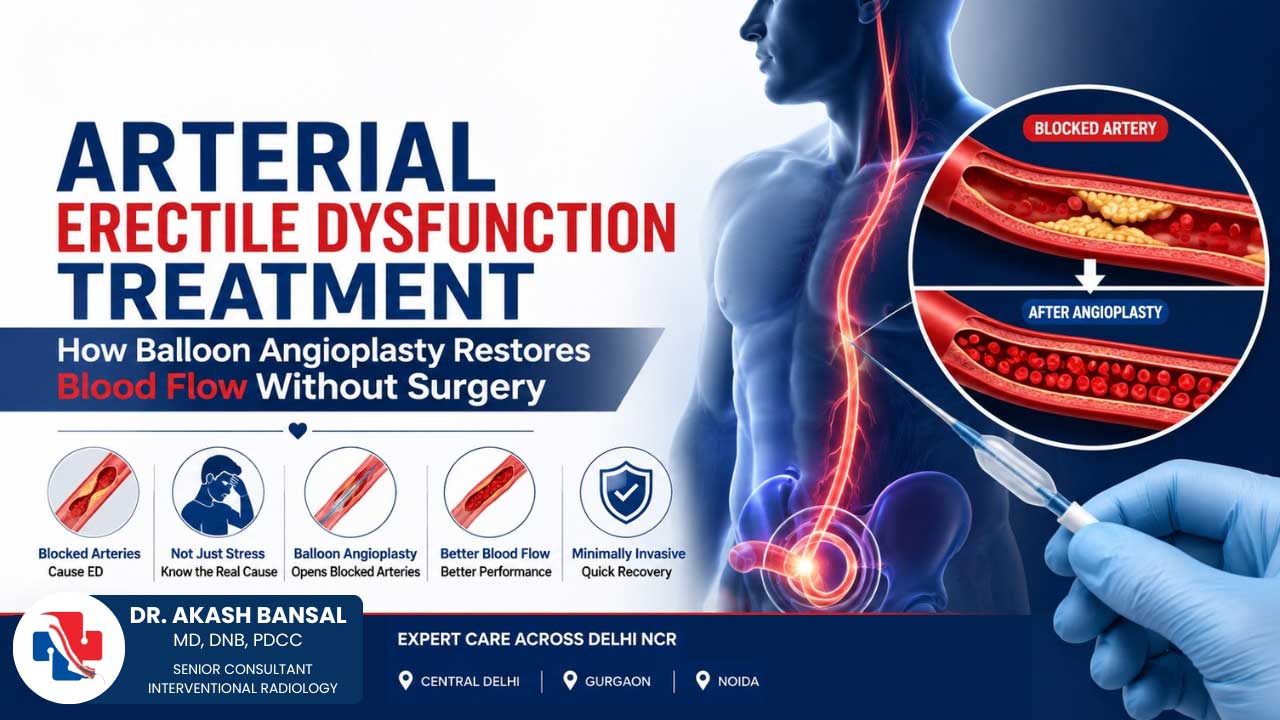
Yes, it absolutely can. Many patients delay going to the doctor because they are scared of big operations. They want safe alternatives to bypass surgery for legs.

The great news is that modern medicine offers amazing non-surgical PAD treatment. We specialize in minimally invasive pinhole procedures. You do not need large surgical cuts. You do not need to spend weeks recovering in a hospital bed to feel better. Our main focus is to restore blood flow to legs without surgery. We use advanced, pinhole techniques that get you back on your feet quickly and safely.

How does an interventional radiologist treat blocked leg arteries?

An interventional radiologist uses tiny, high-tech tools to fix the problem from the inside out. As a specialist, an interventional radiologist for PAD performs a procedure called angioplasty for peripheral artery disease.

Here is how it works in simple terms. First, we make a tiny pinhole in your skin, usually near your groin. It is so small that it does not even need a stitch, making it one of the most highly preferred scarless procedures. Through this tiny hole, we gently guide a thin, flexible tube (called a catheter) into the blocked artery. We watch everything on a live X-ray screen to be incredibly precise.

Once we reach the blockage, we use balloon angioplasty for leg arteries. We inflate a tiny medical balloon inside the artery. This balloon pushes the hard plaque flat against the walls, opening up the vessel wide. The blood can immediately rush back into your leg.

Often, we will leave a small, flexible metal mesh tube inside the artery to hold it open permanently. This process is called arterial stenting in legs. It is highly safe, highly effective, and it saves you from major open surgery.

Finding the Best Care in Delhi NCR

If you are suffering from leg pain, finding the right doctor is the most important step. You need a trusted vascular specialist in delhi who understands your exact problem.

Our facility is a top-rated minimally invasive surgery clinic, delhi residents rely on. We provide world-class PAD treatment in Delhi. Whether you need an interventional radiologist in delhi, are looking for an interventional radiologist in noida, or need to consult an interventional radiologist in gurgaon, our clinic doors are open to you.

We offer comprehensive care. Whether you need simple artery clearing or complex care from an interventional oncologist for tumor-related issues, Dr. Akash Bansal is trusted by hundreds of patients. He is recognized as a leading Dr. Akash Bansal vascular specialist.

If you are currently searching online for an “interventional radiologist near me,” you have found the right place. We offer the safest non-surgical leg pain treatment Noida and Delhi patients can access.

Frequently Asked Questions

To help you feel more comfortable, here are the answers to some common questions we get at the clinic.

Is walking good for peripheral artery disease? Yes, it is actually very good for you. Supervised walking programs help your body naturally create new, tiny blood vessels around the blockages. This slowly improves blood flow over time. However, walking alone is not a cure. You should always combine healthy walking habits with proper medical treatment to fully clear the main blockages.

What is the recovery time for PAD angioplasty? Because this is a pinhole procedure, the recovery is remarkably fast. Most of our patients are able to walk out of the clinic and go home the exact same day. You will only need to rest for a day or two. After that short rest, you can return to your normal daily activities. Best of all, you will notice that the severe pain you had while walking is finally gone.

Leg pain should never steal your independence. If you cannot walk to the park or play with your children or grandchildren without stopping in pain, it is time to take action. Do not wait for the problem to get worse. Contact our vascular and interventional clinic Delhi today to schedule your consultation and get your active life back!

Conclusion

Don’t let leg pain or swelling dictate your life. If you are experiencing symptoms, early intervention is key to a fast, non-surgical recovery. Contact Dr. Akash Bansal Vascular & Interventional Clinic today to schedule your consultation and take the first step toward a pain-free life!

Disclaimer: The content provided in this blog is for educational and informational purposes only. It is not intended to be a substitute for professional medical advice, diagnosis, or treatment. Always seek the advice of a qualified healthcare provider or an interventional radiologist like Dr. Akash Bansal with any questions you may have regarding a medical condition, symptoms, or treatment options. Never disregard professional medical advice or delay in seeking it because of something you have read on this website.


Blood Thinners vs. Catheter-Directed Thrombolysis for DVT

Blood Thinners vs. Catheter-Directed Thrombolysis for DVT

A blood clot in your leg is a scary thing to face. When you are dealing with severe deep vein thrombosis, you need fast and clear answers. The sudden pain, redness, and heavy swelling can completely disrupt your daily life. It is very normal to wonder how to get rid of a DVT fast.

When you visit a doctor, they will usually present you with two main DVT treatment options. You can choose standard medicines, or you can choose modern pinhole procedures. Making the right choice is important for your long-term health.

In this easy-to-read guide, we will explore blood thinners vs catheter-directed thrombolysis. At Dr. Akash Bansal Vascular & Interventional Clinic, our goal is to help you understand these choices. We want to empower you to make the best decision for your body.

Are blood thinners enough for DVT?

When a blood clot is found, most hospitals start with anticoagulant therapy. These are simple pills or injections that you take every day. But there is a very common misunderstanding about these drugs.

Blood thinners do not actually dissolve the clot. They only thin your blood to stop the current clot from getting bigger. They also help lower your pulmonary embolism risk. This is a dangerous condition where the clot breaks off and travels to your lungs.

Because the medicine does not destroy the blockage, your own body has to do the hard work. Your body has to slowly break down the old clot over many months. This slow process is why many patients complain about a blood clot in leg not going away on blood thinners. If the clot is very large, pills alone might not be enough to give you quick relief.

What is the fastest way to dissolve a blood clot in leg?

If pills take too long, you might be looking for alternatives to blood thinners for DVT. You want a solution that works right now. The answer to this problem is catheter-directed thrombolysis for DVT.

This is a highly advanced medical technique. Instead of just swallowing a pill and waiting, a doctor actively attacks the clot. We use a tiny, flexible tube to deliver powerful clot-busting medication (tPA) directly inside the blockage.

This process is known as deep vein clot dissolution. Because the strong medicine is sprayed right into the clot, it breaks down from the inside out. This happens in a matter of hours or days, rather than months.

Medical management vs catheter-directed thrombolysis

Let us closely look at CDT vs blood thinners to understand the differences. In the debate of anticoagulants vs thrombolysis, time and vein health are the biggest factors.

Pills take months to show full results. The CDT procedure for blood clots works much faster. But speed is not the only benefit. Another huge factor is Post-thrombotic syndrome (PTS) prevention.

PTS is a serious condition. If a big clot sits in your leg for months, it damages the tiny valves inside your veins. This damage causes permanent leg pain, dark skin color changes, and even open sores.

By actively clearing the vein quickly, CDT saves your delicate valves. This is why many experts consider it a superior chronic leg swelling and pain treatment.

How to remove blood clot in leg without surgery

You might be worried that active clot removal requires a big operation. You can relax. Today, we can remove blood clot in leg without surgery. We use modern minimally invasive clot removal techniques.

This relies entirely on the field of interventional radiology for DVT. We do not use scalpels. We do not make large cuts. Instead, we make a tiny pinhole in your skin. Using live X-ray guidance, we drive a tiny catheter directly to the clot. We then inject thrombolytic agent directly into the clot to loosen it up and then in the same sitting suck the softened clot through the same or different catheter. This may result in more than 90% of clot clearance in one sitting.

This approach is highly safe. You recover quickly and go home much sooner than you would after traditional open surgery.

Finding the Best Care in Delhi NCR

Finding the right doctor matters. If you need a skilled DVT doctor in Delhi, Dr. Akash Bansal offers world-class care. He is widely recognized as the best DVT specialist in Delhi NCR.

Our facility is fully equipped to perform catheter-directed thrombolysis in Delhi. We are known as the premier Vascular and interventional clinic Delhi residents trust for complex vascular issues. Finding a reliable vascular specialist in Delhi does not have to be stressful.

We serve patients from all across the region. Whether you are seeking urgent DVT treatment in Noida or need to consult an interventional radiologist in Gurgaon, our clinic doors are open. If you are searching online for an “interventional radiologist near me,” you can stop looking. Dr. Akash Bansal interventional radiologist provides compassionate, safe, and highly effective care to get you back on your feet.

Frequently Asked Questions

To help you fully understand your DVT treatment options, here are answers to common questions.

How long do blood thinners take to dissolve a clot? Blood thinners do not dissolve clots directly. Your body does the work naturally, which can take 3 to 6 months. If you want faster results, an interventional radiologist in delhi can explain active removal options during a consultation.

What is catheter-directed thrombolysis (CDT)? It is a highly targeted therapy to destroy clots fast. A doctor places a tiny catheter directly into the clot to release strong medicine. It is considered one of the best minimally invasive pinhole procedures available today.

When is CDT recommended over blood thinners for DVT? It is highly recommended for large, fresh clots, especially in the upper leg or pelvis. If you visit a minimally invasive surgery clinic delhi, they will check if you qualify. An interventional radiologist will look at your ultrasound scans to decide the safest path.

Can a blood clot in the leg be removed immediately? Yes. By using modern scarless procedures, doctors can often suck out or dissolve the clot in a matter of hours. Dr. Akash Bansal specializes in this kind of rapid, non-surgical relief.

What are the risks of leaving a DVT on blood thinners alone? The main risk is permanent vein valve damage, known as PTS. This leads to lifelong pain and swelling. An expert from a vascular and interventional clinic will often advise that active removal is much better for severe cases to protect your long-term mobility.

How does an interventional radiologist treat DVT? As a dedicated vascular specialist in delhi, they use real-time image guidance. Whether they are acting as an interventional oncologist for cancer-related blood clots, or treating standard DVT, the method is similar. An interventional radiologist in noida or an interventional radiologist in gurgaon will use a tiny catheter inside your blood vessels to clear the blockage. If you are searching for an interventional radiologist near me, these safe, image-guided methods are exactly what you will receive.

Disclaimer: The content provided in this blog is for educational and informational purposes only. It is not intended to be a substitute for professional medical advice, diagnosis, or treatment. Always seek the advice of a qualified healthcare provider or a vascular specialist like Dr. Akash Bansal with any questions you may have regarding a medical condition, symptoms, or treatment options. Never disregard professional medical advice or delay in seeking it because of something you have read on this website.


How to Avoid Open Surgery: A Guide to Minimally Invasive Treatments

Avoid Open Surgery: Guide to Minimally Invasive Treatment

When a doctor tells you that you need an operation, it is completely normal to feel afraid. The thought of going under the knife brings up many worries. You might worry about the pain. You might stress about taking weeks off from work. You might also fear the long-lasting scars.

For many years, a major open operation was the only choice patients had. But medical science has moved forward rapidly. Today, you have the power to avoid open surgery. You can choose safe and proven alternatives to surgery. These modern options are known as minimally invasive treatments.

At Dr. Akash Bansal Vascular & Interventional Clinic, we believe in healing you with the least amount of harm. We focus entirely on non-surgical treatments. Our goal is to fix the root cause of your illness without making large cuts. We want you to heal quickly and get back to doing what you love.

What is a minimally invasive pinhole procedure?

Let us start with the basics. A minimally invasive pinhole procedure is exactly what the name suggests. A doctor does not use a scalpel to open your chest, abdomen, or joint. Instead, we create a tiny entry point on your skin. This hole is often no larger than a grain of rice or the tip of a pen. Because of this, people often call it pinhole surgery.

Through this tiny opening, we pass very thin, flexible tubes called catheters. We guide these tubes precisely where they need to go inside your body. Once the treatment is done, we simply remove the tube. We place a small bandage over the spot. There are no stitches required. These are true scarless procedures. Your body does not waste energy healing a massive wound. This means you feel better much faster.

How does interventional radiology work?

You might wonder how a doctor can treat you without opening you up to see inside. The secret is advanced imaging technology. This medical field uses high-tech tools like ultrasound, X-rays, and CT scans. These tools let us see inside your body in real time on a computer monitor. We call these image-guided treatments.

Because we watch our tools move on the screen, we can be incredibly precise. We can target a specific bad blood vessel or a tiny tumor. We do not disturb the healthy organs and tissues around it. These interventional radiology procedures are highly effective. An interventional radiologist is a specialized doctor trained to read these images and perform these delicate tasks. Dr. Akash Bansal has spent years mastering these techniques to give patients the best possible outcomes.

What are the benefits of avoiding open surgery?

Why are so many patients choosing minimally invasive medical care today? The benefits are clear and life-changing.

First, there are reduced surgical risks. Open operations carry a high risk of blood loss. They also carry a higher risk of serious infections. Pinhole methods greatly lower both of these risks.

Second, you get a faster recovery without surgery. You do not need to spend weeks lying in bed. You do not need months of hard physical therapy just to walk normally again.

Third, these are almost always outpatient medical procedures. This means you do not have to stay overnight in a hospital. You get to recover in your own bed, surrounded by your family.

Finally, we usually perform these as local anesthesia procedures. We numb the tiny entry point on your skin. You might get medicine to help you relax, but you do not need general anesthesia. This means you avoid the groggy, sick feeling that comes with being put completely to sleep.

Can I treat my condition without surgery?

When patients first hear about this modern approach, they always ask this question. They are surprised to learn how many issues we can fix today. Here are the main conditions we treat using minimally invasive pinhole procedures:

  • Joint Pain: If you suffer from bone-on-bone pain, you can avoid knee replacement surgery. Genicular Artery Embolization (GAE) blocks the abnormal blood vessels causing your knee swelling.
  • Women’s Health: Many women are told they must lose their uterus to stop heavy bleeding. You can treat fibroids and adenomyosis without hysterectomy . Uterine Artery Embolization (UAE) is a safe treatment that shrinks the growths naturally.
  • Men’s Health: If you wake up all night to urinate, you might need help. You can get non-surgical enlarged prostate treatment. Prostate Artery Embolization (PAE) shrinks the gland without causing sexual side effects.
  • Thyroid Issues: We provide scarless thyroid nodule treatment (Ablation). We use heat to shrink bulky neck nodules. You keep your healthy thyroid and protect your voice.
  • Leg Veins: A good Varicose veins doctor knows that painful vein stripping is outdated. We offer simple laser and microwave treatment for varicose veins to close painful, bulging veins in under an hour.
  • Cancer Care: As an interventional oncologist, Dr. Bansal provides minimally invasive liver tumor therapy. A true Liver cancer specialist can deliver cancer-killing medicine directly into the tumor, sparing the healthy liver.
  • Blood Clots: A deep vein clot is a medical emergency. Our DVT doctor can use a tiny catheter to dissolve and remove the clot quickly.

Why choose an interventional radiologist over a surgeon?

A surgeon is trained to cut out a problem. If you have a bad organ, they remove it. An interventional radiologist thinks differently. We treat the problem from the inside. We use your body’s natural highways—your blood vessels—to reach the disease. We aim to preserve your organs, not remove them. If you want to keep your body whole, searching for an “interventional radiologist near me” is the best first step you can take.

What is the recovery time for a pinhole procedure?

The recovery time is remarkably short. After your treatment, you will rest in our clinic for a few hours. Then, you can walk out and go home. You might feel a little sore or tired for a day or two. However, most people go back to light work and daily tasks within 48 to 72 hours. You simply cannot compare this to the months of painful rehab required after a major operation.

Finding the Best Care in Delhi NCR

If you are looking for the right care, location matters. Our facility is a premier minimally invasive surgery clinic Delhi residents trust. Finding a skilled Vascular specialist in Delhi does not have to be hard. We serve patients from all over the region. Whether you need an interventional radiologist in Gurgaon, a trusted interventional radiologist in Noida, or the best interventional radiologist in Delhi, our doors are open to you.

Dr. Akash Bansal interventional radiologist leads our team with deep compassion. When you visit our Vascular and interventional clinic Delhi, we treat you like family. We listen to your story. We explain everything in plain English, not confusing medical terms.

Your health is your most valuable asset. If you are facing a scary diagnosis, do not rush into the operating room. Take a deep breath. Explore your choices. Minimally invasive treatments offer a safer, faster path to feeling well again.

Would you like to learn more about how we can help you? Contact Dr. Akash Bansal Vascular & Interventional Clinic today to schedule your consultation!

Disclaimer: The content provided in this blog is for educational and informational purposes only. It is not intended to be a substitute for professional medical advice, diagnosis, or treatment. Always seek the advice of a qualified healthcare provider or an interventional radiologist like Dr. Akash Bansal with any questions you may have regarding a medical condition, symptoms, or treatment options. Never disregard professional medical advice or delay in seeking it because of something you have read on this website.


Knee Pain Relief Without Surgery: How Genicular Artery Embolization (GAE) is Changing Orthopaedic Care

Living with persistent joint discomfort can feel incredibly isolating. If you find yourself constantly searching for how to cure knee pain without surgery, you are definitely not alone. Millions of people struggle with osteoarthritis, feeling trapped between taking daily painkillers and facing a massive joint replacement.

At Dr. Akash Bansal Vascular & Interventional Clinic, we believe you deserve better options. Finding true non-surgical knee pain relief is essential to getting your active life back. Thanks to rapid advancements in medical technology, we are proud to offer a breakthrough minimally invasive knee treatment known as Genicular Artery Embolization. This innovative approach is actively changing how we manage joint health, giving hope to those who thought a major operation was their only choice.

The Daily Struggle of Osteoarthritis

Experiencing sharp knee pain when walking or climbing stairs can severely limit your daily routine. Many patients come to us feeling exhausted, desperately seeking a lasting treatment for stiff and painful knees or looking for reliable relief for chronic knee swelling.

Standard knee osteoarthritis treatment usually starts with physical therapy, cortisone injections, or lubricants. But over time, these methods often stop working. Patients are frequently left searching for safe alternatives to knee replacement surgery, whether they are actively delaying total knee replacement due to their age or simply seeking effective pain relief for bone-on-bone knee conditions.

The Science of Embolization: Targeting the Root Cause

The GAE procedure represents a massive leap forward in orthopaedic care. Genicular artery embolization for osteoarthritis is a highly specialized technique in the growing field of interventional radiology joint pain management.

To understand why it works so well, we have to look at the root cause of the pain. As osteoarthritis wears down the cartilage in your joint, your body tries to heal itself by growing new, but faulty, blood vessels. These abnormal blood vessels in the knee constantly pump inflammatory cells into the joint, causing severe, chronic knee joint inflammation.

We use pinhole surgery for knee pain to fix this exact problem. By selectively blocking these specific microscopic arteries, embolization for knee osteoarthritis drastically reduces the inflammation. The result? Significant, long-lasting relief for knee pain that allows your joint to finally calm down and heal.

Expert Care in the Capital

When it comes to your mobility, finding the right knee pain specialist New Delhi is crucial. At our Vascular and interventional clinic Delhi, we are dedicated to providing world-class, non-surgical knee osteoarthritis treatment Delhi.

Patients looking for the best interventional radiologist for knee pain Delhi consistently trust Dr. Akash Bansal for his precision, expertise, and compassionate approach. Whether you are seeking a consultation for Genicular artery embolization Delhi or simply want to know if you qualify for the GAE procedure in Delhi NCR, our team is here to guide you through this life-changing treatment with care and transparency.

Frequently Asked Questions (FAQs)

It is completely normal to have questions before considering a new medical procedure. Here are the simple, straightforward answers to the most common questions our patients ask:

  1. What is Genicular Artery Embolization (GAE)? Genicular Artery Embolization is a minimally invasive, image-guided procedure designed to reduce chronic knee pain caused by osteoarthritis. An interventional radiologist navigates a tiny catheter through a pinhole in the artery to deliver microscopic particles to the knee, blocking the abnormal blood vessels that cause inflammation. 
  2. How does GAE work for knee osteoarthritis? Osteoarthritis creates hyper-vascularity (too many blood vessels) in the knee lining, leading to severe inflammation and pain. GAE works by selectively restricting the blood supply to these specific abnormal vessels, effectively starving the inflammation while preserving the healthy blood flow to the rest of the leg. 
  3. Am I a candidate for the GAE procedure? You may be an excellent candidate if you have mild to moderate osteoarthritis, experience chronic pain or stiffness, and have not found long-term relief from conservative treatments like physical therapy or joint injections. It is also an ideal option for patients looking to delay major surgery. 
  4. What is the recovery time for genicular artery embolization? Recovery is exceptionally fast. GAE is an outpatient procedure performed under local anesthesia. Most patients go home the exact same day and can confidently resume normal, light activities within 48 to 72 hours. 
  5. GAE vs. knee replacement surgery: What is the difference? A total knee replacement is a major open surgery that involves cutting out the diseased bone and replacing it with a metal and plastic implant, requiring months of intense rehabilitation. GAE is a non-surgical, pinhole procedure that preserves your natural anatomy, requires no large incisions, and involves only a few days of mild recovery. 
  6. Is genicular artery embolization painful? The procedure itself involves minimal discomfort, as the pinhole entry site is completely numbed with local anesthesia. You may feel slight pressure. After the procedure, it is common to experience mild knee discomfort or a warm sensation for a few days, which is easily managed with standard over-the-counter pain medication. 
  7. How long does pain relief last after GAE? Clinical studies show that the majority of patients experience a significant reduction in pain and a major improvement in joint mobility that lasts for years. While it does not regrow cartilage, it effectively halts the chronic inflammatory cycle causing the pain, giving you your quality of life back.

Conclusion: Step Into a Pain-Free Future

You do not have to accept chronic knee pain as a normal part of aging, nor do you have to rush into a major joint replacement before you are truly ready. Genicular Artery Embolization offers a scientifically proven, minimally invasive bridge between temporary injections and permanent surgery. By addressing the hidden inflammation at its source, GAE allows you to preserve your natural joint, recover quickly, and get back to doing the things you love—whether that’s walking through the park, playing with your grandchildren, or simply navigating your home without wincing in pain.

Let’s Get You Moving Again

Are you tired of letting knee pain dictate your life? If you have been told that a knee replacement is your only option, or if you simply want to explore safer, non-surgical alternatives, we are here to help.

At Dr. Akash Bansal Vascular & Interventional Clinic, we take the time to listen to your story, evaluate your specific condition, and craft a personalized treatment plan that respects your body and your goals.

Don’t wait for the pain to worsen. Take the first step toward relief today. 

📞 Call or WhatsApp us to schedule your consultation: +91-9560658828 

🌐 Visit us online: www.drakashintervention.com 

📍 Clinic Location: New Delhi, India

Your journey to pain-free movement starts with a single conversation. Reach out to our team today!

BlogbyAdminNo Comments

The Ultimate Guide to Thyroid Artery Embolization (TAE)

Dealing with a thyroid condition can be overwhelming, especially when it starts to affect your daily life. For years, patients have asked their doctors: is there a way to avoid thyroid surgery? The fear of a visible neck scar, a long hospital stay, and the risk of vocal cord damage can make the idea of treatment incredibly stressful.

If you are looking for an enlarged thyroid treatment that doesn’t involve going under the knife, you are in the right place. Medical science has evolved rapidly, and today, you have better options. Welcome to your guide on Thyroid Artery Embolization, a revolutionary non-surgical thyroid treatment.

A New Era of Thyroid Care

An enlarged thyroid, commonly known as a goiter, can cause noticeable physical discomfort. It can press against your windpipe or esophagus, making you feel like there is a lump in your throat. If you have been searching online for difficulty swallowing enlarged thyroid solutions, you already know how frustrating this can be.

Traditionally, the only answer was to cut the thyroid out. Today, patients are actively seeking safer alternatives to thyroid surgery. Whether you are looking for a benign thyroid nodule treatment or a hyperthyroidism non-surgical treatment, there is a modern path forward: the TAE procedure.

How to Treat a Large Goiter Without a Scar

So, how do we fix the problem without a scalpel? The answer lies in a highly effective, minimally invasive goiter treatment.

The medical term is transarterial embolization thyroid. In simple terms, this means we can shrink goiter without surgery by safely reducing its blood supply. It is the ultimate scarless thyroid treatment because everything is done from the inside out. Furthermore, it is proving to be a fantastic option for thyroid embolization for Graves’ disease, helping to calm down an overactive thyroid gland without removing it entirely.

Finding the Right Expert in Your City

To achieve a high thyroid artery embolization success rate, experience and precision matter. You need a team that specializes in these advanced pinhole techniques.

If you are looking for the best interventional radiologist in Delhi or a trusted thyroid specialist in Delhi NCR, you deserve world-class care. At our Vascular and interventional clinic Delhi, Dr. Akash Bansal interventional radiologist leads the way in providing safe, comfortable, and highly effective non-surgical goiter treatment Delhi. Recognized as a premier thyroid ablation doctor in New Delhi, Dr. Bansal ensures that your comfort, dignity, and long-term health are always the top priority.

Frequently Asked Questions (FAQs)

It is completely normal to have questions before considering any medical procedure. Here are the answers to the most common questions our patients ask:

  1. What is Thyroid Artery Embolization (TAE)?

TAE is a minimally invasive, pinhole procedure performed by an interventional radiologist. Instead of cutting the neck to remove the thyroid, a tiny catheter is navigated through the wrist or groin to the arteries feeding the thyroid. Micro-particles are released to block the blood supply, causing the enlarged thyroid (goiter) or nodules to shrink naturally.

  1. Does Thyroid Artery Embolization leave a scar on the neck?

No. This is one of the biggest advantages of TAE. Because the procedure is performed internally through a tiny pinhole in the artery (usually in the wrist), there are absolutely no cuts, stitches, or scars on your neck.

  1. Am I a good candidate for TAE?

You may be an excellent candidate if you have a symptomatic enlarged thyroid (goiter) causing difficulty swallowing or breathing, if you have hyperthyroidism (like Graves’ disease) that isn’t responding to medication, or if you are at high risk for traditional open surgery and want to avoid a neck scar.

  1. Will this procedure damage my vocal cords?

Traditional open thyroid surgery carries a risk of damaging the recurrent laryngeal nerve, which can permanently affect your voice. Because TAE does not involve cutting tissue in the neck, the risk of vocal cord damage or hoarseness is incredibly low.

  1. What is the recovery time for thyroid embolization?

Recovery is exceptionally fast. TAE is typically performed under local anesthesia. Most patients are monitored for a few hours and go home the very same day. You can generally return to your normal, light activities within 24 to 48 hours.

  1. Is Thyroid Artery Embolization painful?

The procedure itself is not painful, as local anesthesia is used at the pinhole entry site. After the procedure, some patients experience mild neck discomfort, a low-grade fever, or a mild sore throat for a few days as the thyroid tissue begins to shrink. This is easily managed with over-the-counter pain relievers.

  1. How quickly will my goiter shrink?

While some symptom relief (like improved breathing or swallowing) can be felt within the first few weeks, the thyroid gland will continue to shrink gradually over 3 to 6 months as the restricted blood supply takes full effect.

Take the Next Step Toward Healing

You don’t have to choose between living with an uncomfortable enlarged thyroid and undergoing a major surgery. With modern pinhole procedures, you can protect your vocal cords, avoid a permanent neck scar, and get back to living your life quickly.

If you are ready to explore your non-surgical options, our team is here to guide you every step of the way.

Liver Tumor Treatments Explained: Surgery, Chemotherapy, and Interventional Oncology

Liver Tumor Treatment in Delhi: Surgery, Chemotherapy, and Interventional Oncology | Dr. Akash Bansal

Liver Tumor Treatments Explained: Surgery, Chemotherapy, and Interventional Oncology

Hearing the words "liver tumor" can feel like your whole world has stopped. Whether you have just been diagnosed or are helping a loved one research their options, it is completely normal to feel overwhelmed. You likely have dozens of questions about what comes next. The most important thing to know right now is this: medical science has evolved incredibly fast, and you have more options today than ever before.

In the past, patients thought that risky open surgery was the only way to treat a liver mass. Today, a liver tumor treatment plan can involve a combination of therapies, many of which do not require a single surgical cut.

At Dr. Akash Bansal Vascular & Interventional Clinic, we believe that informed patients make the best decisions about their health. In this comprehensive guide, we will break down the different liver cancer treatment options, explaining everything in simple, everyday English. From traditional surgery to the latest breakthroughs in interventional oncology liver cancer care, here is everything you need to know.

Understanding Your Diagnosis: Types of Liver Tumors

Before discussing the treatments, it helps to understand what kind of tumor we are dealing with. Liver tumors are generally divided into benign (non-cancerous) and malignant (cancerous) growths.

1. Primary Liver Cancer: This is cancer that starts inside the liver. The most common type is Hepatocellular Carcinoma (HCC). Therefore, finding the right Hepatocellular carcinoma (HCC) treatment is a major focus for liver specialists. Another less common type starts in the bile ducts, requiring specific Cholangiocarcinoma treatment options.

2. Secondary Liver Cancer: Often, cancer starts in another part of the body (like the colon, breast, or lungs) and spreads to the liver. This is called liver metastasis. In these cases, liver metastasis treatment (Secondary liver cancer) focuses on controlling the spread and extending the patient's quality of life.

3. Benign Liver Tumors: Not all tumors are cancer. Some people develop non-cancerous growths. Finding the right benign liver tumor treatment is still important if the tumor grows large enough to cause pain. A common example is a hemangioma, and liver hemangioma treatment is often very straightforward and minimally invasive.

No matter the type, modern medicine offers various liver cancer modalities to manage the condition.

Traditional Surgical Options

When looking for a treatment for liver tumors, surgery is often the first thing that comes to mind. If a tumor is caught early and the rest of the liver is healthy, surgery can be highly effective.

Liver Resection Surgery

Also known as a hepatectomy for liver tumor, this procedure involves a surgeon physically cutting out the tumor along with a small margin of healthy tissue around it. Because the liver has an amazing ability to regenerate (grow back), removing a portion of it is possible. However, liver resection surgery is a major operation. It requires a hospital stay, a significant recovery period, and is only an option if the tumor is in a safe location to operate on.

Liver Transplant

In some cases where the liver is severely damaged by cirrhosis or there are multiple small tumors, a liver transplant for liver cancer might be considered. This involves removing the entire diseased liver and replacing it with a healthy liver from a donor. While it can be a cure, the waiting list for donor organs is long, and the surgery itself is highly complex.

Systemic Treatments: Chemotherapy and Targeted Therapy

If surgery is not an option—perhaps because the tumors are too large, there are too many of them, or they have spread to other organs—doctors often turn to systemic medications. "Systemic" means the medicine travels through your entire bloodstream to fight cancer cells everywhere.

Chemotherapy

Traditional chemotherapy for liver cancer uses strong drugs to kill fast-growing cancer cells. While it can slow down the disease, standard chemotherapy injected into a vein is sometimes less effective for primary liver cancer than it is for other cancers, and it often comes with tough side effects like nausea and fatigue.

Targeted and Systemic Therapy

Medical advancements have brought us targeted therapy liver cancer drugs. Instead of attacking all fast-growing cells, these drugs target specific weaknesses in the cancer cells themselves, stopping them from growing new blood vessels. This type of systemic therapy for HCC has become a vital part of comprehensive Hepatocellular carcinoma (HCC) modalities, offering hope to patients with advanced stages of the disease.

The Game Changer: Interventional Oncology

What if you could treat a liver tumor without making a large incision, without removing the organ, and without the harsh side effects of full-body chemotherapy? This is the promise of interventional oncology, a rapidly growing field of medicine.

An interventional radiologist is a highly specialized doctor who uses advanced imaging (like X-rays, ultrasounds, and CT scans) to see inside your body and guide tiny instruments to the exact site of the disease. This allows us to perform minimally invasive pinhole procedures that target the tumor directly from the inside.

At the vascular and interventional clinic, we focus heavily on non-surgical liver tumor treatment. These scarless procedures mean less pain, no large surgical wounds, and a much faster return to your normal life.

Here are the most effective minimally invasive options available today.

1. Image-Guided Tumor Ablation (Burning or Freezing the Tumor)
Ablation means to destroy. Image-guided liver tumor ablation involves inserting a needle-like probe directly through the skin into the liver tumor, guided by ultrasound or CT scans. Once inside the tumor, we destroy it.

  • Radiofrequency ablation (RFA) liver cancer: This technique uses electrical energy to heat the probe, essentially cooking and killing the cancer cells.
  • Microwave ablation (MWA) liver tumor: Similar to RFA, this uses electromagnetic waves (like your kitchen microwave) to create intense heat. MWA is often faster and can treat slightly larger tumors more effectively.

Ablation is a fantastic minimally invasive liver cancer treatment for patients with small tumors (<5 cm) with equivalent results to open surgery.

2. Embolization Techniques (Cutting off the Blood Supply)
Tumors are hungry. They need a constant supply of blood to grow. Embolization for liver cancer works by navigating a tiny tube (a catheter) through your blood vessels directly to the artery feeding the tumor. Once there, we block the blood supply, starving the tumor to death.

  • TACE procedure for liver cancer (Transarterial Chemoembolization): In this procedure, we deliver a high dose of chemotherapy directly inside the tumor. Immediately after, we block the blood vessel. This traps the chemotherapy inside the tumor where it is needed most, while preventing the toxic drugs from circulating through the rest of your body.
  • TARE procedure liver cancer (Transarterial Radioembolization / Y90): Instead of chemotherapy, TARE uses tiny glass or resin beads filled with radioactive isotopes (Yttrium-90). These radioactive beads lodge inside the tumor's blood vessels, delivering targeted radiation from the inside out, while sparing the healthy liver tissue around it.

These embolization techniques are highly effective for shrinking tumors and are a cornerstone of modern non-surgical liver cancer treatment in Delhi.

Why Choose Dr. Akash Bansal for Your Treatment?

If you are looking for an interventional radiologist near me, experience and precision are the most important factors. Dr. Akash Bansal is a leading interventional oncologist and a dedicated vascular specialist in delhi.

Our facility is recognized as a premier minimally invasive surgery clinic delhi, offering world-class care without the need for traditional open surgery. Whether you need a Liver ablation doctor in Delhi NCR or are specifically looking for the TACE procedure in Delhi, our team brings global expertise right to your doorstep.

Patients travel from all over to see our specialists. Whether you are looking for an interventional radiologist in noida, an interventional radiologist in gurgaon, or the Best interventional oncologist in Delhi, Dr. Akash Bansal interventional radiologist provides compassionate, cutting-edge care tailored to your exact anatomy. We are proud to be your trusted Interventional oncology clinic Delhi and a leading Liver tumor specialist in New Delhi.

Frequently Asked Questions (FAQs)

When dealing with a new diagnosis, it is natural to have many questions. Here are the answers to some of the most common questions our patients ask.

1. Can a liver tumor be cured without surgery?

Yes. For small tumors, especially those caught early, minimally invasive treatments like Microwave Ablation (MWA) or Radiofrequency Ablation (RFA) can completely destroy the tumor, offering a cure without the need for traditional open surgery.

2. What is the difference between TACE and TARE?

Both are embolization procedures that target the blood supply of the tumor using a catheter. The main difference is the "payload" they deliver. TACE (Transarterial Chemoembolization) delivers chemotherapy drugs directly into the tumor. TARE (Transarterial Radioembolization) delivers tiny radioactive beads to kill the tumor with targeted radiation.

3. How does microwave ablation work for liver cancer?

During Microwave Ablation (MWA), an interventional radiologist inserts a thin needle directly into the liver tumor through the skin. Electromagnetic waves are sent through the needle, creating intense heat that cooks and destroys the cancer cells instantly, while leaving the surrounding healthy liver tissue unharmed.

4. What is the recovery time for TACE procedure?

Because TACE is performed through a tiny pinhole (usually in the wrist or groin), recovery is very fast. Most patients stay in the hospital for just one night for observation and can return to their normal, light activities within just a few days. You may experience mild fatigue or a low-grade fever for a few days, which is perfectly normal.

5. Is liver ablation safe?

Yes, liver ablation is considered a very safe and highly effective procedure. Because it is guided by real-time imaging (like ultrasound or CT scans), the doctor has extreme precision. It carries a much lower risk of bleeding, infection, and complications compared to traditional open liver surgery.

6. When is chemotherapy used for liver tumors?

Traditional, full-body chemotherapy is generally used when liver cancer has spread to other parts of the body, or if the tumors cannot be treated with surgery or localized treatments like ablation and embolization. However, targeted chemotherapy delivered directly to the liver (like in the TACE procedure) is used very frequently with great success.

7. Who is a candidate for liver tumor embolization?

Embolization (like TACE or TARE) is usually recommended for patients who have tumors that are too large or too numerous to be treated with surgery or ablation, but where the cancer has not spread outside the liver. It is an excellent option for patients who want to shrink their tumors to relieve symptoms or to potentially qualify for a liver transplant later on.

Take the Next Step Toward Healing

A liver tumor diagnosis is a life-changing event, but it does not mean you are out of options. With the rise of interventional oncology, we can treat complex tumors using highly targeted, minimally invasive pinhole procedures that respect your body and speed up your recovery.

You don't have to face this alone. If you have been told surgery is your only option, or if you simply want to explore safer, non-surgical alternatives, we are here to help.

Contact Dr. Akash Bansal Vascular & Interventional Clinic today to schedule a comprehensive consultation. Let us help you find the safest and most effective treatment plan for your unique journey.